Thinking about buying a home in Carbondale but not sure how fast to move or what a fair price looks like? You are not alone. In small markets like Carbondale, a single sale can shift the numbers and make the picture look confusing. In this guide, you will learn which signals matter, how to interpret them for a small borough, and how to plan a smart search that fits your budget and timing. Let’s dive in.
Carbondale at a glance
Carbondale is a small borough in Lackawanna County within the Scranton–Wilkes-Barre metro. That smaller scale means fewer active listings and fewer closed sales than larger hubs like Scranton or Dunmore. With small sample sizes, month-to-month numbers can swing quickly.
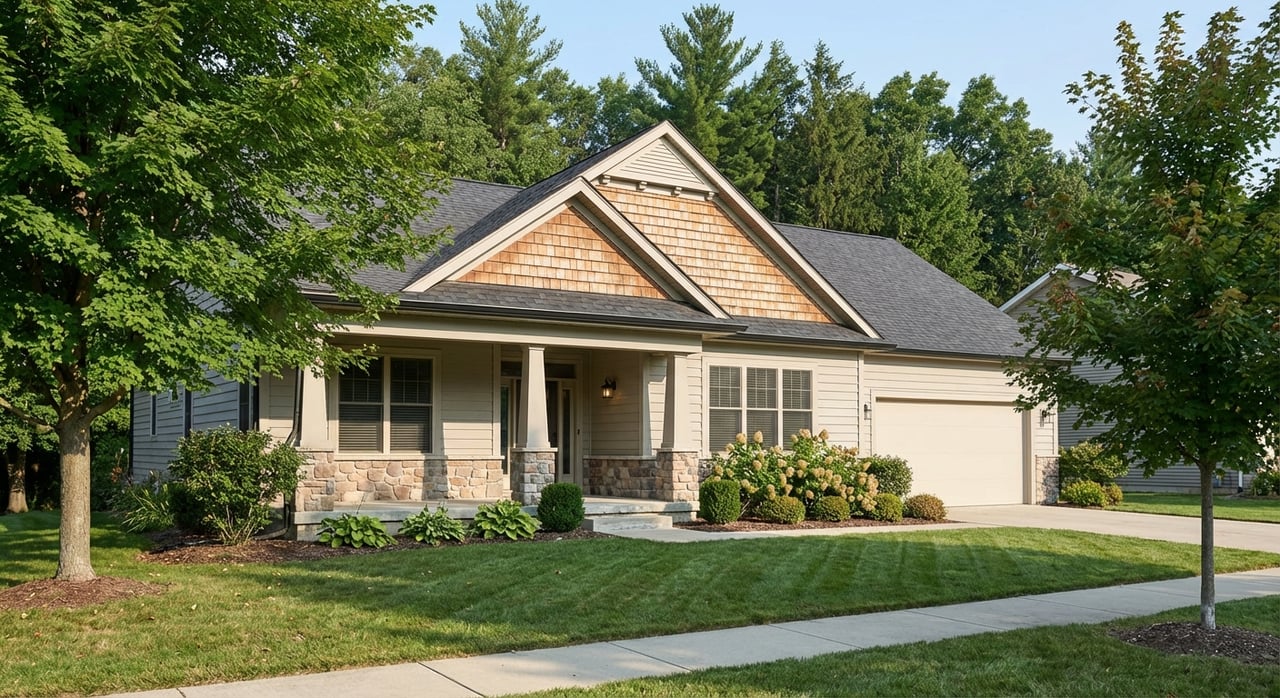
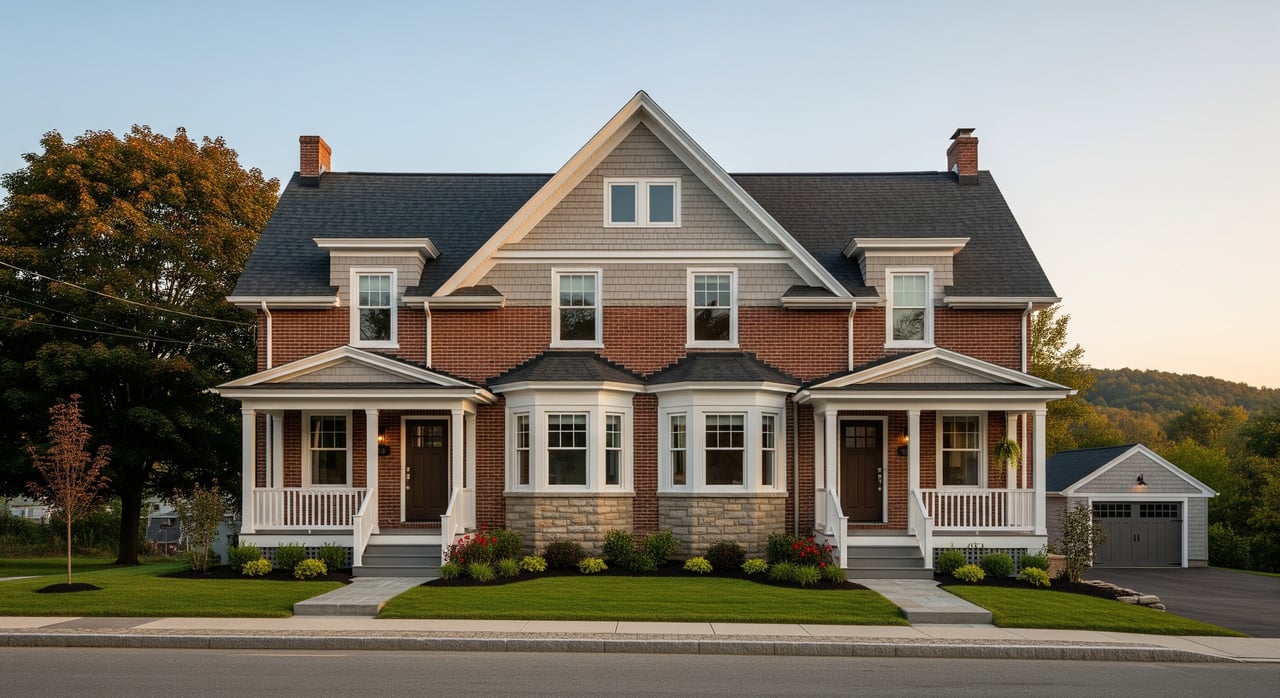
You will likely see older housing stock, a mix of single-family homes, rowhouses, and small multifamily buildings. Commute access to Scranton, affordability, and property condition play big roles in pricing and buyer demand. Investor and cash-buyer activity can also be noticeable in smaller Northeastern Pennsylvania communities, which can influence how long properties sit and what they sell for.
Seasonality matters. Spring brings more new listings and more competition. Winter often brings fewer listings but more motivated sellers. Mortgage rates also affect demand across the region, so watch how changes in rates show up in days on market, sale-to-list ratios, and months of supply.
The metrics that matter
The key to Carbondale is to use 90- to 365-day views instead of 30-day snapshots. That way, one unusual sale does not distort the picture.
Inventory and supply
- Active listings and new listings tell you how much choice you have.
- Months of supply (MOS) helps you gauge leverage. As a rule of thumb:
- MOS under 3 suggests a seller’s market.
- MOS between 3 and 6 suggests a more balanced market.
- MOS above 6 suggests a buyer’s market.
- In Carbondale, include the actual counts alongside MOS. Going from 10 to 15 active listings can change MOS a lot, even if demand stays steady.
Pricing measures
- Track the median sale price on 90- and 365-day windows. The 90-day view helps you see recent movement, while 365 days smooths out noise.
- Compare median sale price to median list price to get a sale-to-list ratio. Around 98 to 102 percent suggests a balanced environment. Above 100 percent points to stronger competition. Below 98 percent often hints at negotiation room.
- Price per square foot helps when homes vary in size across neighborhoods and nearby towns.
Market velocity and competition
- Median days on market (DOM) shows how quickly homes are selling. Also look at the share sold within 30, 60, and 90 days.
- The pending-to-active ratio is a quick pulse check. More pendings than actives usually signals strong demand.
- Watch the share of active listings with recent price reductions. More reductions can indicate cooling demand or sellers testing the market too high.
Transaction mix and quality signals
- Cash-share and the presence of foreclosure or auction listings can influence both pricing and DOM.
- In a smaller market, even a handful of distress or cash sales can affect nearby comps, so consider the context before drawing conclusions.
Affordability and financing context
- Compare Carbondale’s median price to the county median to understand relative value.
- Review area incomes and owner-versus-renter shares through the American Community Survey to get a sense of affordability trends and investor interest.
How Carbondale compares with nearby areas
When you shop in Carbondale, it helps to compare it to Scranton, Dunmore, and nearby boroughs like Olyphant, Archbald, Forest City, or Carbondale Township. Here is how to frame the comparisons:
- Median sale price: Carbondale often trends below the county average, though this can shift based on the mix of homes listed in a given season.
- Market pace: DOM in Carbondale can be longer than in larger employment centers that pull more daily demand. Still, well-priced homes in good condition can move quickly anywhere.
- Competition signals: If sale-to-list ratios are higher and price reductions are rare in a neighboring town, demand may be stronger there. If Carbondale shows more reductions and higher DOM in the same period, you may have more room to negotiate locally.
The bottom line: Run the same metrics in the same windows for each place you are comparing. That gives you apples-to-apples insight on value and timing.
Reading the signals and adjusting your approach
Use the current mix of MOS, DOM, and sale-to-list ratios to shape your plan.
- If MOS is low and DOM is short: You will want a pre-approval ready, a quick showing plan, and a strong first offer. Consider flexible terms, such as a quicker timeline or a reasonable limit on minor inspection items.
- If MOS is moderate to high with rising DOM and more price reductions: You may have leverage. Consider offers below list where justified by comps, longer inspection windows, and focused attention on homes that need light to moderate rehab.
- If cash-share is high: Competing buyers often win with speed and certainty. Ask your lender about fast underwriting. Consider escalation clauses, flexible closing dates, or requests for seller concessions instead of a lower price.
Smart search strategy in Carbondale
Build a search plan that fits a small-market rhythm and older housing stock.
- Use 90-day medians and list-to-sale ratios instead of 30-day snapshots.
- Set alerts for:
- New listings within your budget bands.
- Price reductions and homes lingering beyond 30 to 60 days.
- Properties that return to market after a fallen-through deal.
- Widen your radius: Compare similar homes in Scranton, Dunmore, Olyphant, Archbald, or Forest City to weigh commute, taxes, condition, and value.
- Prepare for older homes:
- Plan for an inspection with clear repair budgets.
- Use inspection results to renegotiate if the market gives you room.
- Financing readiness:
- Have an up-to-date pre-approval and a lender who can move quickly.
- If competing with cash, explore strategies that improve certainty without stretching beyond your comfort zone.
Timing your move
- Spring: More new listings and more competition. Good for selection if you can act decisively.
- Late fall and winter: Fewer choices, but sellers may be more motivated. This can open doors to negotiation on price, credits, or timelines.
- Rate sensitivity: When mortgage rates rise, some buyers step back, and DOM may expand. Watch for changes in sale-to-list ratios and price reductions as early indicators.
How we gather and verify market info
The most accurate, up-to-date snapshots typically come from the local MLS, which tracks active, pending, and closed listings with detail you cannot get elsewhere. County property records can validate sale prices and deed types, and state and federal sources round out the picture.
What we use and why:
- Local MLS reports: City-level medians, DOM, sale-to-list ratios, and price reductions based on Carbondale’s municipal boundary.
- County property records: Confirmed closings and sale types from the Lackawanna County records portal.
- State association trends: County-level context and interpretation from the Pennsylvania Association of Realtors.
- Demographics and housing stock: Owner-versus-renter shares, incomes, and housing traits via the American Community Survey.
- Distressed-sale context: Federal resources for foreclosed or HUD-owned properties at HUD Homes.
When reviewing any number, note the reporting window and sample size. In a small market, transparency about counts and timeframes is key.
A simple Carbondale buyer checklist
- Get pre-approved and confirm your loan timelines.
- Watch 90-day medians, MOS, DOM, and sale-to-list ratios, not just 30-day snapshots.
- Create alerts for new listings and price cuts within your target range.
- Compare with nearby submarkets to understand trade-offs and value.
- Plan for inspections and potential repairs on older homes.
- Adjust your offer strategy if cash-share is high in your price band.
- Revisit timing monthly. Spring and winter show very different dynamics.
Ready to put this plan to work with local guidance tailored to your goals and budget? Reach out to Michael S Taluto for a calm, data-informed path to the right home in Carbondale.
FAQs
How quickly are homes selling in Carbondale right now?
- Look at 90-day median days on market and the share sold within 30, 60, and 90 days; smaller monthly samples can swing, so rely on rolling windows.
Is Carbondale a buyer’s or seller’s market today?
- Check months of supply and the sale-to-list ratio; MOS under 3 with near-100 percent sale-to-list points to a tighter market, while higher MOS and more price cuts suggest buyer leverage.
How do Carbondale prices compare with Lackawanna County and Scranton?
- Compare 90- and 365-day median sale prices across geographies to see relative value; Carbondale often trends under county medians, but mix and season can shift results.
What should I know about older homes in Carbondale?
- Expect condition variability; plan for thorough inspections, budget for repairs, and use findings to negotiate when market conditions allow.
When is the best time to buy in Carbondale?
- Spring brings more options and more competition; late fall and winter can offer motivated sellers and negotiation room, but with fewer choices.
How can I compete with cash buyers in a small market?
- Pair strong pre-approval with fast underwriting, consider an escalation clause, and use flexibility on closing timing or concessions to add certainty without overextending.