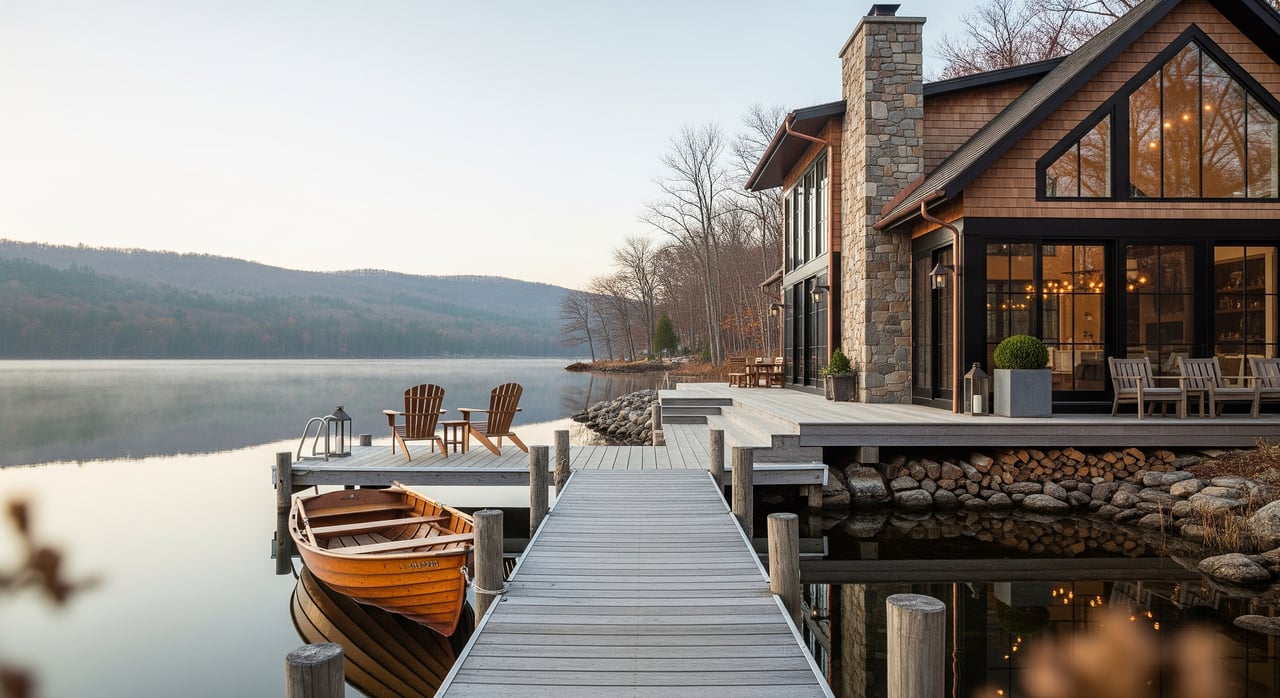
Imagine easing into your weekend on a quiet porch, coffee in hand, as the lake warms under the morning sun. That is the promise of a Lake Ariel home. It is also a lifestyle with rhythms, rules, and responsibilities that are different from a typical suburban house. If you are weighing a second home or a move to the Poconos, you will want a clear picture of what daily life, costs, and upkeep look like here. This guide walks you through the seasons, recreation, property types, maintenance, rules, and a buyer checklist so you can plan with confidence. Let’s dive in.
The Lake Ariel lifestyle by season
Spring: Prep and tune-ups
Spring is when you transition from winter mode to lake mode. You check septic and well systems, reassemble docks, tidy up winter debris, and inspect trees for branch risk. Early spring can still bring snow, ice, and muddy roads, so plan flexible visits and schedule contractors ahead of time.
Summer: Peak action and social time
Summer is the heart of lake life. Weekends bring boating, swimming, fishing, and time on the dock. Many neighborhoods host social events and youth programming. Expect more traffic and guest activity on holiday weekends. If you rent to family or friends, align expectations with any association rules on guests and quiet hours.
Fall: Quiet beauty and winterizing
Fall draws people for foliage and calmer water. It is also a key maintenance window. You close pools if you have them, secure or remove seasonal docks, and winterize plumbing. This is the time to plan shoreline protection and schedule dock or bulkhead repairs before freezes.
Winter: Slower pace and cold-weather protocols
Some owners leave their homes vacant in winter, while others visit for snow sports and cozy weekends. If the home sits empty, you set heating and freeze-prevention protocols and verify road plowing arrangements. Winter is also a good time to line up contractors for spring projects.
Recreation and nearby amenities
On the water
You will see pontooning, power boating, kayaking, paddleboarding, and swimming across the season. Fishing is a popular draw for both casual anglers and sport fishers. Each lake or association may set rules on motor types, horsepower limits, speed, or hours. Check the specific lake’s bylaws before you buy a boat.
Off the water
You have easy access to hiking, mountain biking, ATV or snowmobile trails, and regional day trips across the Poconos. In winter, many owners head to nearby ski areas. For bigger water days, larger lakes in the region are within a typical day-trip drive. Dining and seasonal events follow the Poconos calendar, so weekend options shift with the season.
Community and services
Community life varies by location and whether your property is within a lake or property owners association. Some communities offer beaches, boat ramps, and gatherings. For daily needs, you will rely on nearby towns for groceries, hardware, and medical care. Commuting times to major employment centers vary by route and season, so test your drive during the hours you care about.
Home types and lot features
Common styles you will see
- Traditional cottages and camp-style homes built for summer use, often smaller with porches.
- Mid-century cabins or ranches that owners have updated for year-round living.
- Renovated, insulated homes with modern HVAC for full-time comfort.
- Newer builds and larger lakefront homes that are less common and often priced higher.
Lakefront vs. lake access
True lakefront typically includes direct shoreline and a private dock, subject to association or municipal rules. Near-lake homes may have shared waterfront, deeded beach rights, or access paths. Slope and setbacks shape how you use the lot. Steeper sites can mean more steps to the dock and different sun and view lines.
Wells, septic, slope, and trees
Many Lake Ariel-area homes use a private well and septic system. The type, age, and capacity of these systems matter, especially for larger gatherings or rentals. Shoreline condition and runoff management impact water quality. Tree cover brings shade and privacy, but also requires storm and branch risk planning.
Costs and upkeep you should expect
Ongoing annual costs
Budget several thousand dollars per year for utilities and basic maintenance on a seasonal home, with higher costs for full-time living. Routine line items include heating fuel or electricity, well pump and water system checks, and septic pumping every 3 to 5 years depending on use. Add seasonal reopening, winterization, snow removal, landscaping, pest control, and dock upkeep.
Capital projects to plan for
Big-ticket items can range from several thousand to tens of thousands of dollars. Examples include replacing or rebuilding a dock, stabilizing shoreline with riprap or native plant buffers, tree work, and septic replacement. Ask for documentation of permits and prior work, especially for docks and shoreline structures.
Insurance and vacancy
Lakefront properties often need tailored insurance. If your home sits within a FEMA floodplain, your lender may require flood insurance. Standard policies often exclude surface water or backups without endorsements. If the home will be vacant for long periods, plan for vacancy terms and any seasonal restrictions your insurer requires. For boats, you will want watercraft coverage for liability and the vessel itself.
Rules, safety, and environmental factors
Associations and local ordinances
Many lakes fall under a property owners or lake association. These groups set rules on boats, docking, beach access, noise, exterior changes, and dues. Municipal and county rules cover zoning, septic permits, building codes, stormwater, and short-term rental policies. Always verify rules with the association and township before you buy.
Boating and safety
State boating laws and safety requirements apply to Pennsylvania lakes. Expect life jacket rules for children, vessel registration for powered boats, and strict enforcement of boating under the influence. Private lakes may add no-wake zones, motor size caps, and speed limits to protect shorelines.
Water quality and invasive species
Warm summers can bring harmful algal blooms. Lakes may also monitor for invasive species like Eurasian watermilfoil or zebra mussels. Many associations require boat cleaning or inspections to protect the water. Shoreline buffers and good stormwater practices help limit runoff and maintain lake health.
Buyer checklist for Lake Ariel
Use this list to focus your due diligence before you make an offer.
- Ownership and access rights
- Confirm whether the lot is true lakefront, with private or shared water rights.
- Verify dock rights and whether permits are required for new or replacement structures.
- Check for easements and any shared access with neighbors.
- Association and community rules
- Request current bylaws, covenants, dues, and any special assessments.
- Review rules for boat horsepower, guest access, exterior modifications, and short-term rentals.
- Utilities and systems
- Document the type, age, and service records for the septic and well.
- Ask about heating fuel, insulation upgrades, HVAC age, and typical utility costs.
- Test internet and cell coverage if you plan to work remotely.
- Environmental and regulatory status
- Check floodplain maps, shoreline history, and any erosion or storm damage.
- Ask about past harmful algal blooms or invasive species advisories.
- If the lake has a dam, learn about oversight and maintenance.
- Insurance and vacancy
- Obtain a homeowners insurance quote and confirm vacancy requirements.
- Confirm whether flood insurance is recommended or required and what premiums may look like.
- Maintenance logistics
- Line up local contractors for plumbing, septic pumping, dock work, landscaping, and snow removal.
- Plan seasonal winterization and reopening steps and costs.
- Local services and commute
- Map travel times to groceries, health care, and emergency services at the times you expect to drive.
- Market-specific items
- Review comparable sales for the specific lake, separating lakefront from off-water comps.
- Track days on market and seasonality for your target area.
- Legal and title
- Confirm clear title, covenants, easements, and association meeting minutes or assessments history.
What a typical weekend can look like
- Friday evening: Arrive, turn on water and power if needed, quick check of the HVAC and dock lines, and a simple dinner on the deck.
- Saturday morning: Coffee on the porch, then paddle or fish before boat traffic picks up. Midday chores might include leaf blowing, checking gutters, or scheduling septic service.
- Saturday afternoon: Swim time for guests or a pontoon cruise. If your association hosts events, you may catch a cookout or kids’ program.
- Sunday: Early hike or bike ride, reset the house, lock up seasonal gear, and prepare the property for a safe, low-risk week until your next visit.
Final thoughts
Owning a lake home in Lake Ariel is a blend of simple pleasures and practical routines. When you understand the seasonal rhythms, the real costs, and the rules that shape life on the water, you set yourself up for fewer surprises and more time to enjoy the lake. If you are exploring Lake Ariel or nearby Poconos communities, you deserve a local guide who can help you evaluate septic and dock details, confirm association rules, and manage a clean, low-stress transaction. For straightforward guidance from a Greater Scranton advisor, connect with Michael S Taluto.
FAQs
What should I budget yearly to operate a Lake Ariel home?
- Many seasonal owners plan several thousand dollars per year for utilities, insurance, septic service, landscaping, snow removal, and basic upkeep, with higher costs for full-time living.
How do lake associations in Lake Ariel typically work?
- Associations often manage boat and dock rules, beach access, road maintenance, guest policies, and dues; always review current bylaws, covenants, and any special assessments.
Do I need special insurance for a lakefront property?
- You may need endorsements for water-related risks and, if in a FEMA floodplain, flood insurance; confirm vacancy terms if the home will be empty for extended periods.
What are key septic and well considerations for buyers?
- Verify system type, age, capacity, and maintenance history; schedule inspections and confirm the system fits your expected occupancy and any rental plans.
Are short-term rentals allowed in Lake Ariel areas?
- Rules vary by association and township; check local ordinances and community bylaws before relying on rental income or advertising availability.
How do seasons affect boating and lake use?
- Summer is busiest with boating and events, while spring and fall are quieter; specific hours, horsepower limits, and no-wake zones depend on the lake’s rules.