Torn between Old Forge and Taylor for your next home? You are not alone. Both Lackawanna County boroughs sit just outside Scranton and offer practical commutes, established neighborhoods, and everyday convenience. In this guide, you will get a clear, side‑by‑side look at housing, commutes, amenities, schools, taxes, and risk checks, plus a simple decision framework to help you choose with confidence. Let’s dive in.
Quick snapshot: who each fits
Both boroughs appeal to buyers who want short drives to Scranton and a traditional neighborhood feel. Your best fit comes down to the home types you prefer, how you commute, and which conveniences matter most day to day.
Old Forge might fit if you:
- Want a classic small‑town center with local dining and a known pizza scene.
- Prefer walkable blocks near borough amenities and established streets.
- Are open to older homes with character and manageable lots.
Taylor might fit if you:
- Want quick highway access and practical routes to regional employers.
- Like a mix of single‑family homes and twin or small multi‑unit options.
- Value convenient shopping corridors and straightforward parking.
Housing stock and neighborhood feel
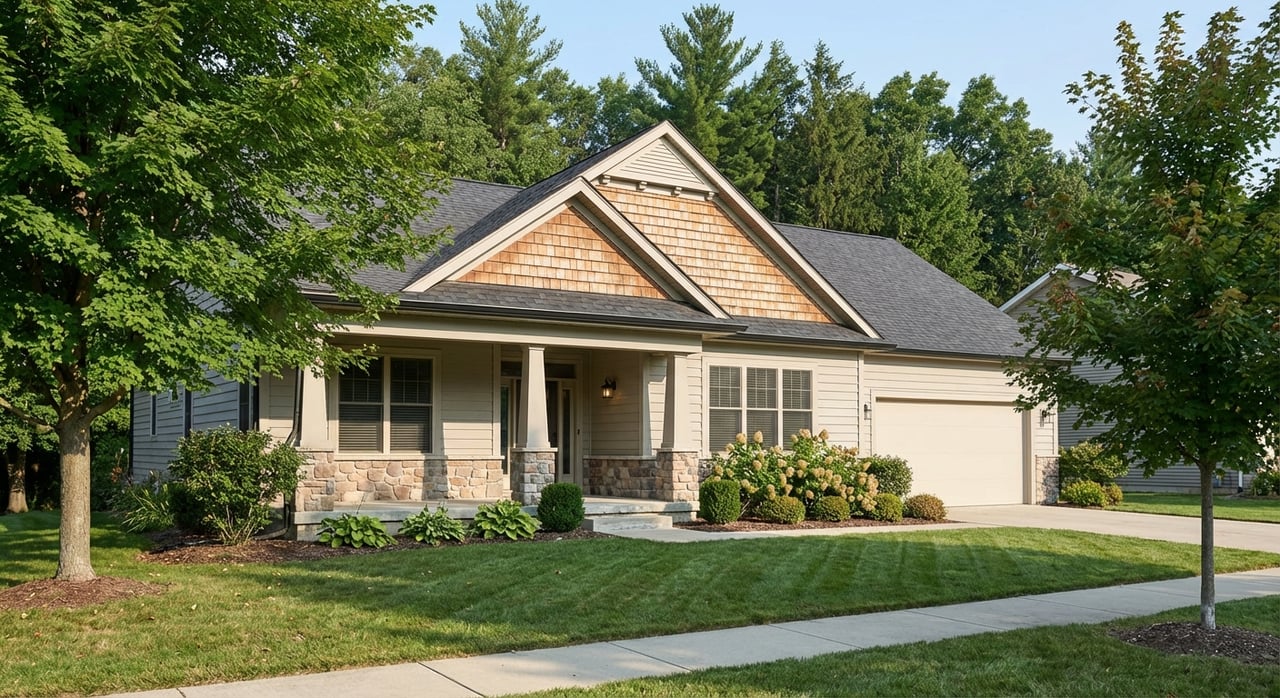
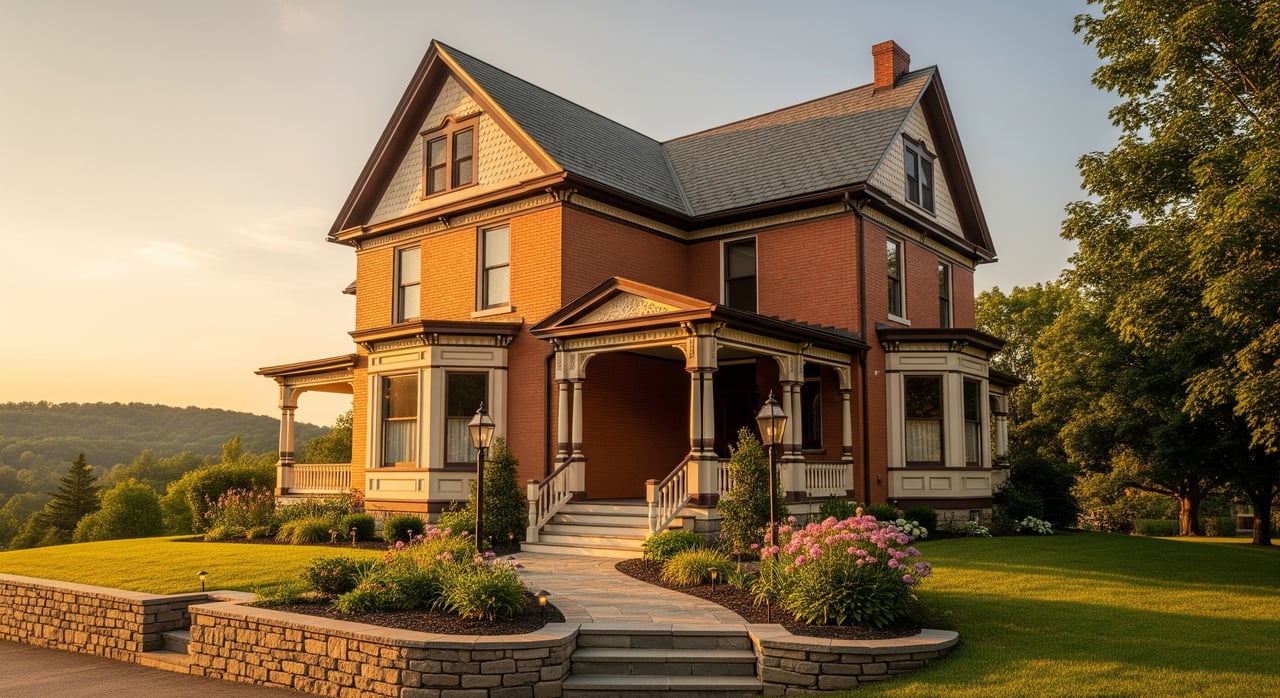
You will see a lot of early to mid‑20th century homes in both Old Forge and Taylor. Common styles include Cape Cod, Colonial, bungalow, and traditional two‑story homes. Many properties offer basements and potential bonus space in an attic. Off‑street parking or garages vary by street.
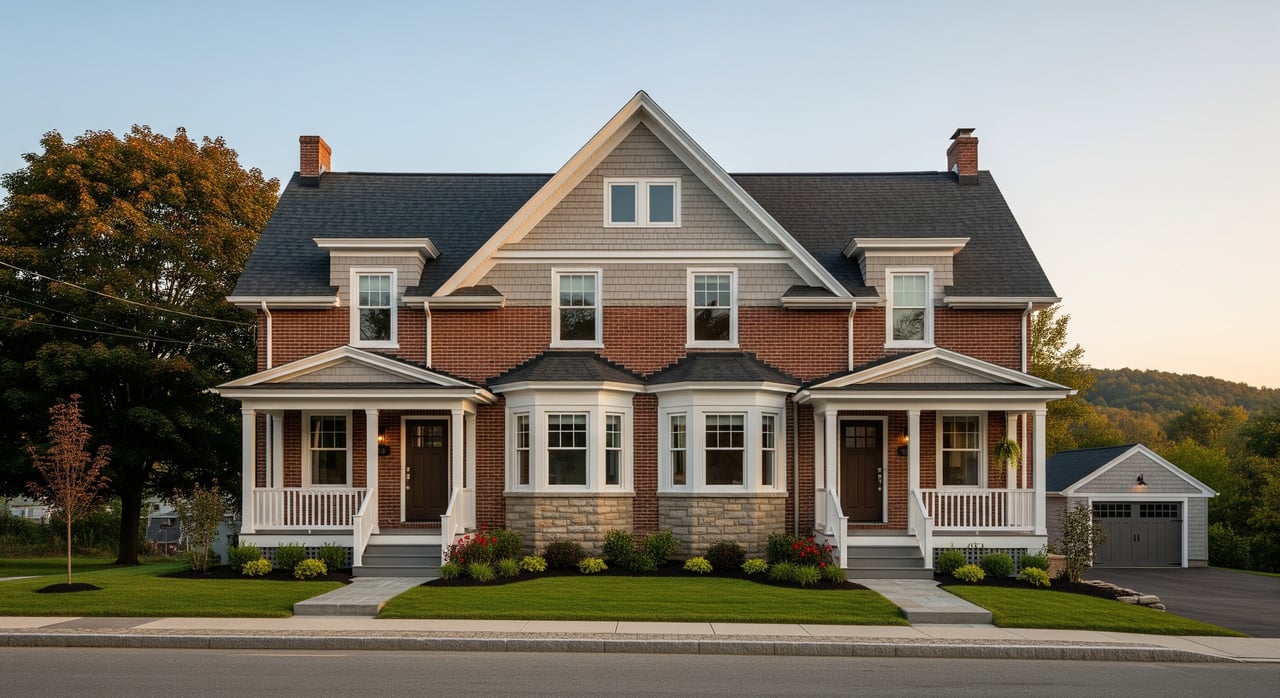
Closer to commercial corridors, lots tend to be smaller with tighter setbacks. On the edges of each borough, you will find deeper lots and a bit more yard. Twin homes and small multi‑unit buildings are part of the housing mix in both areas. New‑construction subdivisions are limited within borough lines, so buyers seeking new builds may need to widen their search to nearby townships.
If you want a move‑in ready home, you can find it in either borough, but selection shifts month to month. If you are open to light renovation, your options often expand. Before you decide, think about renovation budget, contractor availability, and timeline.
Price and market dynamics
Prices and competition change with the season, inventory, and condition of the home. To keep your expectations accurate, track live market data such as median sale price, days on market, and months of supply. The most reliable sources are local MLS data and county records.
What to watch:
- Availability of move‑in ready versus renovation‑friendly homes.
- Price bands with the most new listings in the past 60–90 days.
- Typical contingencies accepted in recent offers (inspection, appraisal, seller assist).
If you need current numbers, your next step is pulling a 12‑month snapshot for both boroughs and your target price range. That will show where the inventory truly sits and how fast homes are selling.
Commute and transportation
Both Old Forge and Taylor are adjacent to Scranton, so most commutes to downtown are short drives. Actual travel time depends on your street and time of day. Use real‑time tools like Google Maps travel time to compare weekday morning and evening patterns.
For bus riders, the County of Lackawanna Transit System provides fixed routes connecting boroughs to Scranton hubs. Check the latest schedules on the COLTS routes and timetables page to confirm options near your street.
Planning regional drives or highway commutes? Review construction updates and traffic advisories through the PennDOT road and traffic resources. If a key ramp or corridor is under construction, it can temporarily affect drive times.
Everyday amenities and services
You will find the essentials in both boroughs and nearby Scranton: grocery shopping, pharmacies, banking, and everyday services. Old Forge has an especially strong local dining identity, including its regional pizza style. Taylor’s corridors offer practical access to shopping and services.
Parks and recreation are available at the municipal level, with ball fields, playgrounds, and seasonal programs listed by each borough. Healthcare access is regional, with Scranton hospitals and urgent care centers a short drive away. For day‑to‑day living, most residents find both boroughs convenient.
If you prefer to walk for coffee or a quick bite, focus your search near each borough’s main streets. If you want quieter blocks and larger yards, look toward peripheral streets where lots run deeper.
Schools and education
Each borough has defined public school assignments. Because boundaries and feeder patterns can change, confirm your exact address assignment and current performance data through the Pennsylvania Department of Education resources. You can also review report cards and statewide assessment information there.
If private or parochial options are part of your plan, note their locations and transit times from the homes you are considering. Always verify enrollment policies and bus routes before you make an offer.
Taxes, utilities, and site checks
Property taxes vary by municipality, county, and school district millage. Before you write an offer, verify the current assessed value and applicable millage with the county and municipal tax offices. Ask about any special assessments.
Most properties in these boroughs connect to public water and sewer. Still, confirm service type, connection status, and any tap or lateral requirements with the municipal utility office before planning renovations or additions. For internet, check provider options and speeds with the FCC Broadband Map at the specific address.
Flood and stormwater risk can affect insurance costs and financing. Run each property through the FEMA Flood Map Service Center to confirm floodplain status. If the home sits near a stream or low‑lying area, speak with your insurance agent about premiums and coverage.
A simple buyer decision framework
Use this five‑step process to compare Old Forge and Taylor for your needs.
- Define non‑negotiables versus dealmakers
- Non‑negotiables: commute time limit, bedroom count, parking type, budget ceiling, specific school assignment.
- Dealmakers: walkable dining, larger yard, lower projected tax bill, proximity to a park.
- Create a weighted checklist
- Suggested weights: Commute 25%, Schools/childcare 20%, Price/affordability 20%, Home type/lot 15%, Amenities/walkability 10%, Taxes and insurance 10%.
- Score each borough and top two neighborhoods you like. Let the totals guide your short list.
- Narrow the radius with travel time
- Use Google Maps to draw travel time polygons for your commute hour.
- Compare homes that fall within your time limit rather than a strict mile radius.
- Visit at different times
- Weekday morning, mid‑afternoon, and weekend evenings. Note traffic, noise, and street activity.
- Talk with local merchants, and read recent borough meeting notes to learn about planned projects.
- Verify hard data before an offer
- Confirm assessed value and millage, school assignment, floodplain, utility connections, and any parking permit rules.
- Review recent comparable sales and typical concessions in each borough.
How to compare on a weekend tour
Plan one focused loop in Old Forge and one in Taylor. Start with a few blocks that reflect your priorities, such as walkable main streets in Old Forge or quick access corridors in Taylor.
Bring a short checklist:
- Street parking versus driveway or garage.
- Yard size and usable outdoor space.
- Street width, lighting, and sidewalk conditions.
- Travel time to your top grocery store, childcare, and preferred park.
Take quick photos and jot notes after each stop. You will remember how each street felt when you sit down to compare.
Next steps
If you are early in the process, begin with the decision framework above and a quick check of COLTS schedules, PennDOT updates, PDE school resources, the FCC Broadband Map, and the FEMA Flood Map Service Center. Then pair those insights with a live market snapshot for both boroughs so you know where inventory actually sits.
When you are ready to compare specific homes, reach out for local guidance, on‑the‑ground context, and a clean plan from first tour to closing. Connect with Michael S Taluto to schedule a call.
FAQs
What are the main differences between Old Forge and Taylor for homebuyers?
- Old Forge leans into a small‑town center with local dining and walkable blocks, while Taylor offers quick highway access and a mix of single‑family and twin or small multi‑unit homes.
How long is the commute from these boroughs to downtown Scranton?
- Most drives are short, but times vary by street and time of day; use real‑time tools like Google Maps to check your specific route during your commute hour.
Where can I check public school information for homes in Old Forge or Taylor?
- Use the Pennsylvania Department of Education to confirm district boundaries, view report cards, and review assessment data for your exact address.
How can I confirm flood risk and insurance needs for a property?
- Enter the property address in the FEMA Flood Map Service Center and discuss coverage and premiums with your insurance agent before you make an offer.
What should I verify about utilities before buying in either borough?
- Confirm public water and sewer connections with the municipality, check internet options via the FCC Broadband Map, and ask about any tap fees, lateral requirements, or parking permit rules.